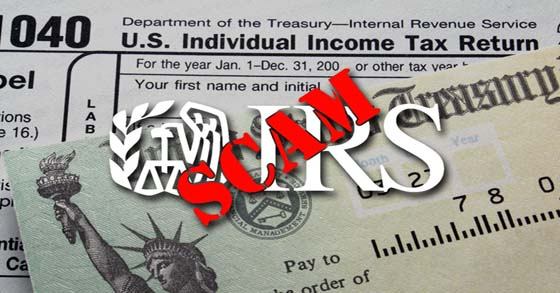
It’s officially correspondence season! Which means that the Internal Revenue Service (IRS) has been sending out bills and notices. Recently, fake IRS letters have also been sent out, confusing people and making them fall for the trap. Although the fake letters are convincing and hard to differentiate, there are a few key components to tell the difference, which are listed below.
Fake IRS Letters
- The IRS will never call to request for immediate payment unless they have mailed you a bill prior.
- Fake letters may contain an agency called the “Bureau of Tax Enforcement”– there’s no such agency.
- Fake letters often warn about unpaid tax consequences of arrest or a criminal record if the taxpayer fails to pay immediately.
Real IRS Letters
- Come in a government envelope with an IRS seal on the letter.
- Have a notice or letter number on the top right-hand corner.
- Have additional information about your rights as a taxpayer. The real IRS will not threaten to arrest or deport you.
- Include your truncated tax ID number and will note the tax year or years in question at the top right corner of letter.
- Will include IRS contact information (usually 1-800 number on top of letter)– but if you’re not sure if it is legitimate you can always call them directly at 1-800-829-1040.
- It will include your payment options for any balance that is due. If the letter asks you to write a check to any other part besides the U.S. Treasury or pay by credit/ debit over the phone or with iTunes and other payment methods, it’s a fake.
Fake IRS scam calls
- If you get a call from someone claiming to be from the IRS and you do not owe tax or if you immediately are aware that it’s a scam, hang up.
- If you receive an automated call and you do not owe tax, don’t call back.
- If you get a call from someone claiming to be from the IRS and you owe tax or think you may owe tax, do not give out any information. Call the IRS back at 1-800-829-1040 to make sure it is the real IRS.
- Never open a link or attachment from an unknown or suspicious source.
- When choosing passwords, use strong or unique ones to protect your account.
- If possible, use a multi-factor authentication, it helps secure your account furthermore.
With this information, make sure you stay on a lookout for these scams and you keep your personal information safe. If you are unsure, assume it’s a scam, it’s better to be safe than sorry. For further questions about fake IRS letters please contact you DDK tax advisor!